Topic
USA and Transatlantic Relations
Tariffs, sanctions, export controls and elections in Washington and their consequences for Germany and Europe.
SituationUS midterms 2026
All 6 articles in this series
Energy and Climate
Democratic election victory calls Trump's energy policy into question

Export Controls and China
Democrats win the midterms and plan stricter export controls against China

Trade and Tariffs
Trump tariffs remain. What the US midterms mean for German industry

Iran and the Middle East
Iran conflict drives up oil prices and strains Europe's energy security
SituationUS policy shift before the midterms
All 5 articles in this series

Society and Science
Ahead of the midterms, Americans and Europeans lose faith in Trump
Politics and Security
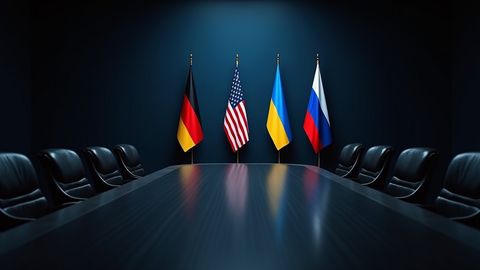
Starshield blockade divides USA and Ukraine ahead of the midterms

More articles on this topic

About this topic
The United States remains Germany's most important partner in security, trade and technology, and at the same time its most unpredictable one. Tariffs imposed by executive order, the suspension of sanctions against Russia, throttled satellite services for Ukraine, export controls on semiconductors and a Congress that changes majorities after the 2026 midterm elections hit German companies, the Bundeswehr and the federal government directly. What is decided or announced in Washington changes energy prices, supply chains and the situation on NATO's eastern flank within days.
This topic page collects the AegisSight blog series on US policy and its consequences for Germany and Europe. The series on the policy shift before the midterms traces how the diesel deal with Russia, the suspension of the sanctions act in the Senate and the throttling of Starshield in Ukraine interacted, and how business, politics, society and disinformation campaigns responded. The series on the 2026 midterms assesses the election result by trade and tariffs, NATO and Ukraine, energy and climate, export controls towards China, and Iran and the Middle East. Individual overviews pick up current cases such as the Nvidia affair over chip sales to China.
The perspective always starts from Germany. Which industries are affected, how do the federal government and the EU respond, what room for manoeuvre remains, and which narratives circulate in German and international sources. Every article is based on the analysis of hundreds of open sources in many languages, names its evidence and carries a date so that its status can be placed at any time.
The underlying situation continues to run in the AegisSight Monitor. The live report on the US policy shift shows the latest developments, the map of locations and the fact checks on the central claims, re-analysed every day.
Open the live report on the US policy shift Back to the news overview Archive of all articles