
Topic
Cyber Attacks and Critical Infrastructure
Attacks on operational technology, cloud outages and drones over airports. What operators, authorities and insurers learn from them.
SituationRefrigeration cyberattacks
All 7 articles in this series

Policy and Regulation
Refrigeration cyberattacks, sanctions plans and gaps for legacy devices

Supply and Critical Infrastructure
Refrigeration cyberattacks endanger food and blood supply in Europe

Damage and Insurance
Refrigeration cyberattacks expose insurance gaps in retail

Attack Path and OT Security
Refrigeration cyberattacks, entry points and protection for operators

Attribution and Evidence
Refrigeration cyberattacks and who is behind them, evidence and open questions
More articles on this topic

About this topic
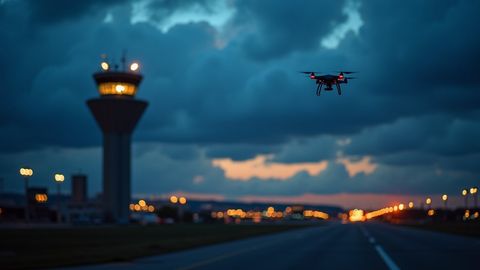
Cyber attacks on critical infrastructure have turned from an exception into a permanent situation in Germany. The targets are no longer only public authorities and large corporations but supermarkets, hospitals, airports and municipal utilities, institutions whose failure everyone notices in daily life within hours. The attacks increasingly aim at operational technology, at controllers, remote maintenance access and refrigeration systems rather than office IT alone. Added to this are outages of major cloud services that paralyse the communication of entire administrations within minutes, and drones over airports that bring air traffic to a standstill without a single shot.
This topic page brings together all articles of the AegisSight blog on this field. Every series begins with an overview that condenses the situation from hundreds of open sources and then explores it by question, such as the attack path and the security of operational technology, security of supply and critical infrastructure obligations, losses, liability and insurance cover, the question of attribution and the evidence for it, and the political and regulatory response in Berlin and Brussels. Every article is a dated snapshot with source references and fact checks, and later developments appear as a new edition.
For security managers in companies and public authorities the series are useful in two ways. They show how a specific incident unfolded, which vulnerabilities were exploited and which measures operators should take now. And they show how quickly interpretations shift when attributions, claims of responsibility and denials collide. This kind of assessment is exactly what a security situation report provides, as the German standard DIN SPEC 14027 envisages for corporate security.
Readers who want to follow the situation continuously will find the daily updated status in the live report on cyber attacks against German infrastructure, with map, timeline, fact checks and all analysed sources. The articles on this page are the editorially reviewed snapshots drawn from it.
Open the live report on cyber attacks Back to the news overview Archive of all articles